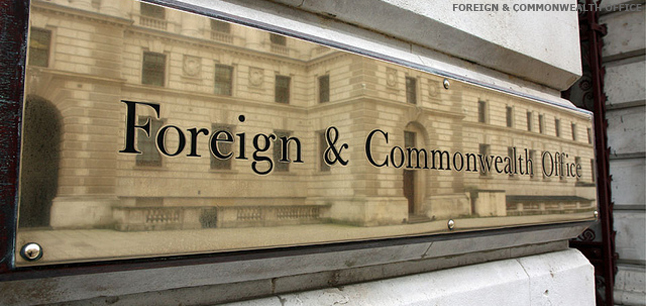
Diplomatic Service executive assistants work for the Civil Service. They carry out clerical and administrative work in the Foreign and Commonwealth Office (FCO) in London and in British embassies, high commissions and consulates abroad. They may also work with the European Union (EU), United Nations (UN) or North Atlantic Treaty Organisation (NATO).
The Work
You could be:
- keeping and updating databases or answering emails and letters
- getting documents ready for meetings
- going to meetings to take minutes and typing them up afterwards
- managing the Embassy accounts
- giving information to members of the public
- helping to process applications for visas or work permits
- helping with the arrangements for a major conference or for an important visit by a head of state or prime minister
- working in one of several areas: registry, clerical and secretarial, communications, administration, accounts or immigration.
Pay
The figures below are a guide. Pay rates may vary, depending on where you work.
- Starting pay for diplomatic executive assistants are at level A2 which is around £19,400 to £21,700 a year.
- If you are posted in London you receive an additional location allowance of around £3,000.
- There is a good pension scheme.
Conditions
- You would first work for about 18-24 months in the Foreign Commonwealth Office (FCO) in London.
- You would be based in an office and work regular hours.
- You would then move to a location overseas. You must be prepared to live anywhere.
- You may travel a lot and live abroad for much of your career. You are likely to spend about two thirds of your career abroad.
- You usually move jobs every two to three years.
- You may be posted to countries which can be very hot or cold, very wet or dry.
- Working hours overseas are not fixed, so you need to be flexible.
- The work may be stressful, especially if there are changes in foreign policy or there is unrest abroad.
Useful Subjects
Getting In
- To join the Diplomatic Service you must be a British citizen, and have lived in the UK for at least 2 of the previous 10 years and for at least one period of 12 months on end.
- If you have dual nationality (including British), this will not prevent you applying. However, you should get in touch with the recruitment office at the FCO for advice on any potential difficulties with the country of your second nationality.
- The Foreign and Commonwealth Office is particularly interested in applicants with PA (Personal Assistant) and secretarial skills and experience.
- You must be comfortable using a range of IT systems.
- You must have at least 5 subjects at Standard grade or National 5 including English and Maths. Most applicants have more than this and many have Highers. Check the FCO website for further details.
- Entry is competitive and you will have to take tests and attend an interview. You will also have to go through medical and security checks.
- You do not need to speak a foreign language but you should be willing to learn.
What Does it Take?
You should be:
- interested in international affairs
- tactful and diplomatic
- discreet and able to respect confidentiality
- methodical and well organised
- efficient and able to use initiative
- willing to work as part of a team
- able to work under pressure and decide what is important
- adaptable and interested in different cultures.
You should have:
- good written and spoken English
- a smart appearance and pleasant manner
- good numeracy skills.
Training
- You would train on the job under the supervision of senior members of staff.
- You would begin with an induction course which covers the work of the diplomatic service and the FCO in general.
- You would continue to take short courses to improve your skills and keep you up to date.
- You may be encouraged to study a new language as the FCO has its own in-house language training centre.
Getting On
- Executive assistants are the second level of clerical support, at level A2.
- After two years, you could take a Diplomatic Service examination called A to B Competition, and progress to become a B3 Diplomatic service operational officer. Promotion after that depends on merit.
More Information
The FCO serves to promote British interests overseas by supporting British citizens and businesses around the globe. The FCO is made up of 14,000 people working in 160 countries around the world.
Contacts
The following organisations may be able to provide further information.
Was this article useful?
Please help us improve Planit by rating this article.


