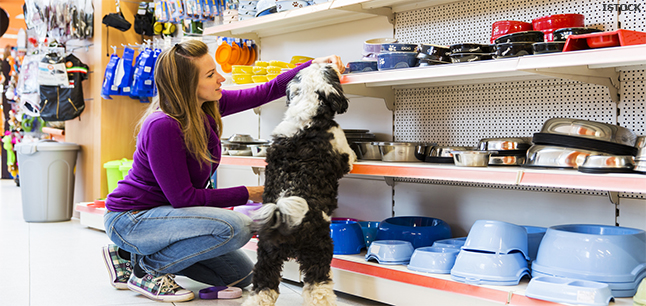
Pet shop assistants sell animals, such as hamsters and guinea pigs, as well as fish, birds, rabbits, reptiles and insects. They also sell pet food, accessories and bedding.
The Work
You could be:
- feeding the animals and exercising them when necessary
- cleaning out cages and tanks
- making sure the temperature and conditions are correct for the animal
- catching a particular fish or other animal for a customer
- serving the customers and taking payment
- advising customers how to look after the animals they buy
- selling pet care products
- ordering, receiving and unpacking stock and filling shelves
- cleaning and tidying the shop.
Pay
The figures below are only a guide. Actual pay rates may vary, depending on:
- where you work
- the size of the company or organisation you work for
- the demand for the job.
Starting pay is often based on the National Minimum Wage (NMW) or the National Living Wage (NLW).
As of 1 April 2026 the National Minimum Wage is £8.00 an hour for workers under 18, £10.85 an hour for workers aged 18 to 20. The National Living Wage for those aged 21 and over is £12.71 an hour.
Supervisors or assistant managers might earn up to between £27,000 and £32,000 a year. Managers might earn around £35,000 to £40,000 a year or more.
Conditions
- You would work around 40 hours a week, perhaps working five days out of seven.
- You would work mainly indoors at a retail outlet, store or larger pet store supplier.
- You would deal with animals such as guinea pigs, hamsters and rabbits, as well as reptiles, insects and fish.
- You have to handle animals carefully as they may bite if scared or anxious.
- You will clean out dirty, smelly cages.
- You have to carry heavy items such as cages and sacks of food.
- You may be provided with a uniform to wear, and may sometimes need an apron or gloves.
- Part time work is common.
Workforce Employment Status
LMI data powered by LMI for All
Useful Subjects
Getting In
- You do not need formal qualifications, but a good general education is useful.
- Experience with animals is useful and may be essential.
- You should be fit enough to carry heavy loads.
- Apply to small independent shops, or to pet superstores.
- You could get experience through a weekend job.
Workforce Education Levels (UK)
LMI data powered by Lightcast
Job Outlook Scotland
Job Outlook Scotland and UK
Scotland
2026

5763
2031
6292
United Kingdom

2026
74270
2031
79720
LMI data powered by Lightcast
What Does it Take?
You need to be:
- interested in animals
- gentle and confident in handling animals
- practical
- able to learn more about working with animals
- not squeamish
- aware of health and safety
- good at communicating for serving customers and giving advice.
Training
- Your employer might arrange part time training for you.
- You could do an NC (SCQF Levels 4-5) in Animal Care at college. To get in you would need some subjects at National 4 or 5, preferably including English and Maths.
- You can do a City and Guilds Level 3 Award or Certificate in Pet Store Management by distance learning.
- The Pet Industry Federation offers individual online courses on different animals.
Getting On
- You might get promotion to assistant manager and then manager.
- You could set up your own shop. You would need a local authority licence to sell animals.
Was this article useful?
Please help us improve Planit by rating this article.