A minerals or waste management surveyor uses maps and geographic information systems (GIS) to assess sites and plan the extraction of natural resources such as minerals, oil, gas and salt. They also help manage waste materials and make sure sites are restored safely after work has finished. They are sometimes known as mining surveyors.
The Work
You could be:
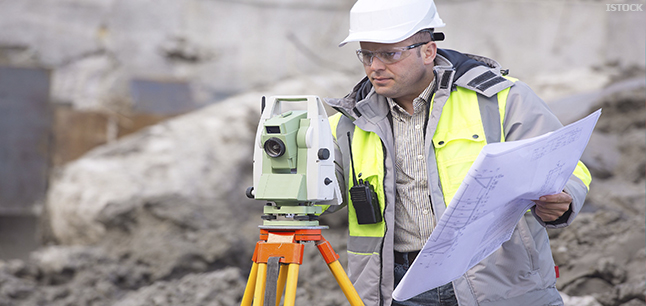
carrying out surveys, risk assessments, environmental impact assessments and mapping sites using global positioning systems (GPS)
using computer-aided design (CAD) and digital imaging software to produce 3D models of sites
estimating how much mineral can be extracted from a site and what it is worth
preparing planning applications, negotiating with local authorities and landowners
writing and presenting reports to raise finance for a project
negotiating and preparing contracts for purchase or lease of land, access rights and facilities
making sites safe and helping to restore the landscape when mining or quarrying work has finished
checking landfill and waste disposal sites to ensure they are safe and advising on the disposal of waste materials
dealing with issues relating to landfill and waste management.
Pay
The figures below are only a guide. Actual pay rates may vary, depending on:
where you work
the size of company or organisation you work for
the demand for the job.
Starting salaries for trainee or graduate minerals and waste management surveyors are typically between £25,000 and £35,000 a year. With experience, salaries can rise to £35,000 to £55,000 a year.
Senior surveyors, project managers and specialist consultants may earn £55,000 to £75,000 a year or more.
Conditions
You will divide your time between an office and visiting sites.
You may spend time on quarry, mining, landfill or construction sites. Some surveyors work underground.
Your hours may vary depending on the project. Some evening or weekend work may be required.
You might spend some nights away from home.
Site conditions can sometimes be dirty, dusty, noisy or exposed to all types of weather.
You must wear protective clothing such as overalls, a hard hat, high-visibility clothing and safety boots.
You must follow strict health and safety procedures when visiting operational sites.
studying a RICS-accredited degree (SCQF Levels 9-10) in a subject such as geology, engineering, surveying or geography, followed by a period of supervised professional training
completing a degree that is not RICS-accredited and then taking an accredited postgraduate qualification
entering a trainee surveying role with subjects at National 5 and Highers and working towards AssocRICS (Associate Member of RICS) while gaining practical experience
starting with an HNC (SCQF Level 7) or HND (SCQF Level 8) in a relevant subject and progressing to a trainee surveyor post. Entry requirements for an HND are 2 Highers, and for a degree, 4 Highers. English and Maths are preferred.
There is currently no dedicated degree course in mineral surveying in Scotland. However, you can study courses related to surveying, minerals and land management elsewhere in the UK, such as the MSc/PgDip Surveying and Land/Environmental Management at University of Exeter.
In addition to the above:
a driving licence is useful and often essential
you should be physically fit enough to visit and inspect sites, which may involve walking over uneven ground and working outdoors.
Minerals and waste management surveying is a small specialist area. Opportunities can be found with organisations involved in minerals extraction, quarrying, waste management, environmental consultancy and government agencies. Some surveyors work overseas on mining and land management projects. There are also opportunities in environmental work, including waste disposal, landfill management and land restoration.
knowledge of planning and environmental regulations
good scientific, digital and maths skills
a methodical and accurate approach
analytical and problem-solving skills
negotiating skills
good written and spoken communication skills
organisational skills
an interest in environmental and land-use issues.
You need to be able to:
work alone and as part of a team
interpret maps, graphs and survey data
make decisions
meet deadlines.
Training
After completing a relevant degree, you would usually work as a trainee or graduate surveyor and gain practical experience.
To become a chartered surveyor, you would normally complete the Royal Institution of Chartered Surveyors (RICS) Assessment of Professional Competence (APC). This involves structured workplace training and assessment, usually over about 2 years.
Successful completion of the APC leads to chartered surveyor status and membership of RICS.
Throughout your career, you would take part in continuing professional development (CPD) to keep your knowledge and skills up to date.
Getting On
With experience, you could specialise in areas such as minerals management, waste management or environmental consultancy.
You may move into consultancy work, project management or senior surveying roles. Some opportunities may involve working overseas.
More Information
The RICS publishes a list of accredited degree and postgraduate courses.





 2026


